


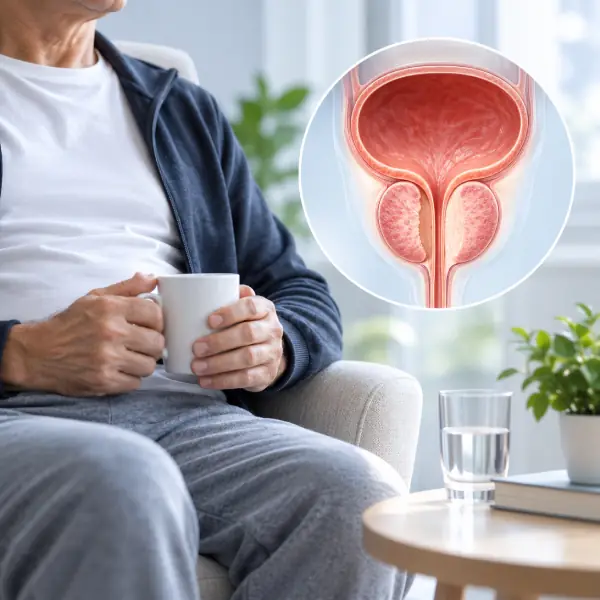
In the first few days after HoLEP, mild burning, frequent urination and pink-tinged urine are to be expected. Heavy bleeding, large clots, being unable to pass urine, a high fever or severe pain, however, mean you should contact your doctor. In the early period, heavy lifting, strenuous exercise, cycling and straining are avoided; temporary incontinence and retrograde ejaculation may occur.
HoLEP is a minimally invasive laser operation, with no external incision, carried out for urinary problems caused by benign prostatic enlargement. The prostate tissue narrowing the urinary passage is removed and the flow improves. What you pay attention to in the weeks after surgery also determines how smoothly your recovery goes.
The First Few Days
A temporary urinary catheter is usually placed after the operation. How long it stays in depends on the size of the prostate and how the operation went.
Once the catheter is removed, you may have mild burning when passing urine, need to go often and feel sudden urgency. Most of this eases as recovery progresses.
Pink or red tones may be seen in the urine, and the colour can darken again on days when you are more active. Heavy bleeding, large clots, being unable to pass urine or worsening symptoms should, however, be reported to your doctor.
How Much Water Should I Drink?
Unless your doctor has advised you to limit fluids, drinking enough dilutes the urine and helps the urinary tract work smoothly. More is not always better, though. Age and heart and kidney health change how much fluid you need, so follow your doctor's advice on how much to drink.
Getting Back to Daily Life
Although there is no external incision, healing continues inside. In the early period you will be asked to avoid:
- Lifting heavy loads
- Strenuous exercise
- Cycling
- Straining movements that increase pressure inside the abdomen
People with desk jobs may be able to return to work sooner; those who do heavy physical work may need a longer rest.
Constipation is another important point. Straining on the toilet can put pressure on the operated area and trigger bleeding. Eating a fibre-rich diet and drinking enough fluids help with this.
Urinary Incontinence
Some patients have temporary leakage when they cough, sneeze or stand up. It does not happen to everyone and how long it lasts varies from person to person; it usually improves with time. If your doctor considers it appropriate, pelvic floor exercises may be recommended. If the leakage continues, gets worse or affects your daily life, you should come for a check-up.
Sex Life
Your doctor will tell you when you can have sex again, depending on how your recovery is going.
Because most of the prostate tissue is removed, in most men semen goes into the bladder rather than out during ejaculation. This is called retrograde ejaculation and it is not the same as an erection problem. If you are planning to have children, discuss this with your doctor before surgery.
When Should I Contact a Doctor?
Mild burning and frequent urination are normal during this period. Seek medical help without delay in the following situations:
- Severe or increasing bleeding
- Large clots
- Being unable to pass urine
- A high fever and shivering
- Severe pain
Recovery is affected by the size of the prostate, age, the medicines you take, other health conditions and how your bladder worked before surgery. So rather than comparing yourself with other people's experiences, the best thing is to follow the advice you are given and not miss your follow-up appointments.
