


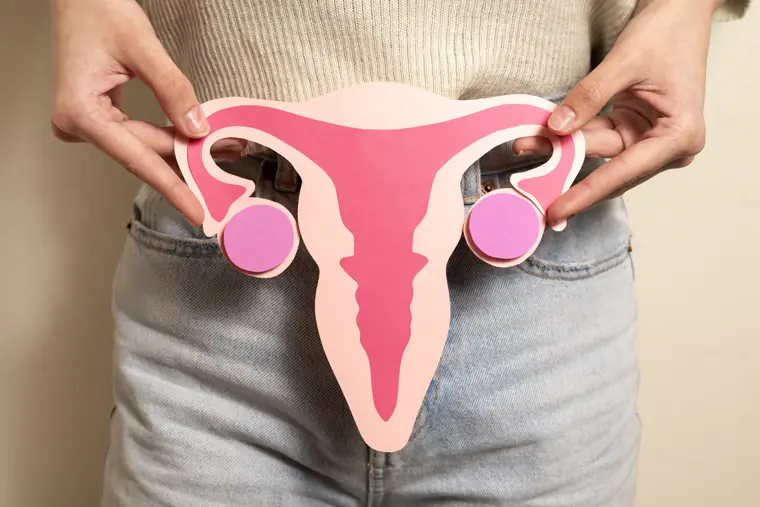
Prolapse is when an organ drops down from its normal position because its supporting tissues have weakened or been damaged. In urology this refers to prolapse of the pelvic organs, such as the bladder (cystocele), uterus and rectum (rectocele). Treatment includes pelvic floor exercises, weight control, physiotherapy, hormone therapy and, where needed, surgical repair.
The pelvic organs are held in place by the muscles and ligaments of the pelvic floor. When this support weakens, the bladder, uterus or rectum can descend towards the vagina. The word "prolapse" (or sagging) is also used for the abdominal wall or the breasts; this page deals with pelvic organ prolapse.
Why Does It Happen?
- Pregnancy and childbirth
- Ageing
- Excess weight
- Frequent heavy lifting
- Long-term constipation or coughing
- Previous operations
- Inherited predisposition
- Chronic conditions such as COPD
Symptoms
Patients most often describe a feeling of pressure or fullness in the vagina, and sometimes a bulge that can be felt or seen. This may be accompanied by pain, urinary incontinence, difficulty passing urine and discomfort during sex.
Treatment Options
For mild prolapse, and for patients who do not want surgery, non-surgical methods are tried first:
- Pelvic floor exercises (Kegel exercises)
- Weight control
- Pelvic floor physiotherapy
- Hormone therapy after the menopause
Surgical repair is planned for patients with marked symptoms or who have not benefited from these methods. The right approach depends on which organ has prolapsed and to what degree.
Frequently asked questions
Can pelvic organ prolapse be treated without surgery?
Can pelvic organ prolapse cause urinary incontinence?
Which doctor should I see for pelvic organ prolapse?
When can I go back to work after prolapse surgery?
Can prolapse come back after surgery?
Last updated:
