


Kidney stones are solid pieces that form in the kidney or urinary tract when minerals in the urine become concentrated and crystallise, and they can block the flow of urine. Depending on the size and position of the stone and how severe the symptoms are, treatment involves pain relief, plenty of fluids, ESWL, endoscopic stone treatment or surgery.
Where a stone is lodged and how big it is determine both the symptoms and the choice of treatment.
Symptoms
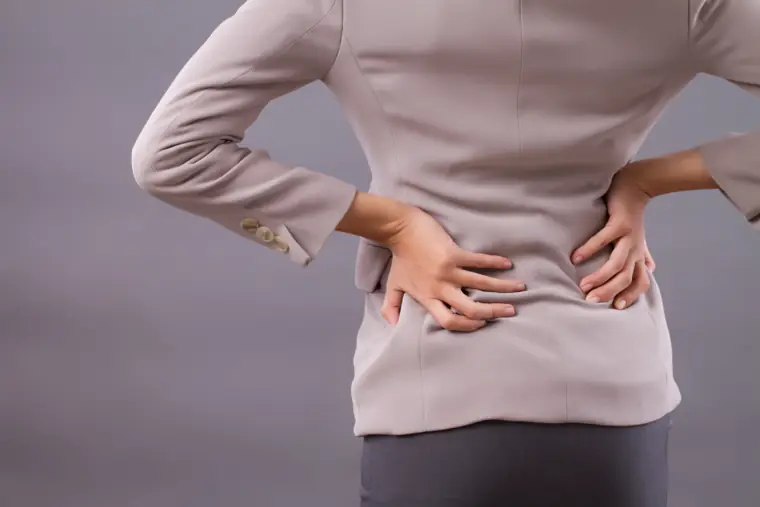
The most typical symptom is severe pain in the back or groin as the stone moves along the urinary tract. The pain may be accompanied by nausea and vomiting. Movement of the stone or irritation can cause blood in the urine (haematuria). When the flow is blocked or there is irritation, you may need to pass urine often or feel burning or pain when doing so.
Diagnosis
The symptoms often point to a stone. To confirm the diagnosis and find out the position, size and composition of the stone, the following investigations are used:
- Urine test: shows whether there is blood in the urine or signs of infection.
- Imaging: ultrasound, computed tomography (CT) or intravenous pyelography (IVP).
Treatment Options
Which method is chosen depends on the size and position of the stone and how severe the symptoms are:
- Controlling the pain with painkillers and anti-inflammatory medicines
- Drinking more fluids to help the stone pass
- ESWL: breaking up the stone with shock waves delivered from outside the body
- Endoscopic stone treatment: reaching the stone through the urinary tract and breaking it up
- Surgery for large stones or those that do not respond to other methods
Kidney stones can usually be treated successfully. After treatment, it is important to follow your doctor's advice to reduce the risk of infection, kidney damage and new stones.
Frequently asked questions
Can a kidney stone pass on its own?
ESWL or endoscopic stone treatment?
Can kidney stones come back?
How much water should I drink if I have kidney stones?
Which doctor should I see for kidney stones?
Last updated:
