


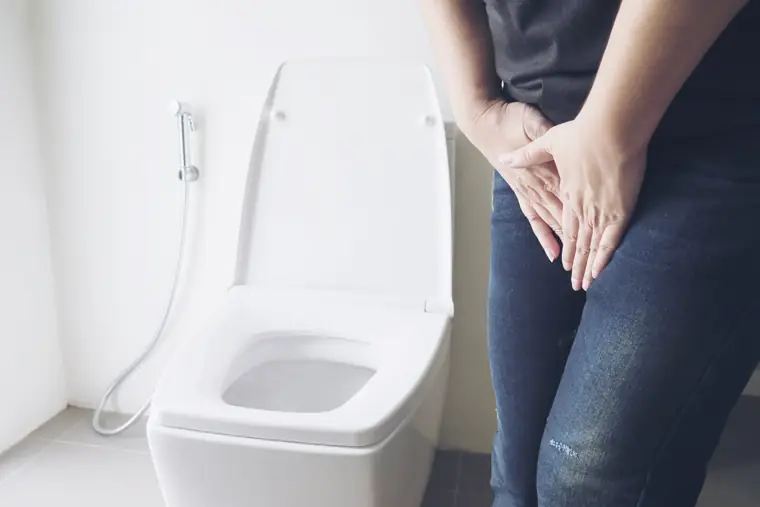
Cystitis is inflammation of the inner lining of the bladder, most often caused by infection with bacteria such as E. coli. Bacterial cystitis is treated with antibiotics; painkillers, plenty of fluids and treatments that reduce bladder irritation are also used.
Cystitis is usually caused by infection, but irritating substances and some conditions can also inflame the bladder lining. If it keeps coming back, the cause needs to be investigated rather than simply taking antibiotics each time.
Symptoms
- Pain or burning when passing urine
- Needing to pass urine often (without passing more urine overall)
- Urine that smells different or has changed colour
- Sometimes blood in the urine
- Pain or discomfort in the lower abdomen or pelvis
Causes
- Most often, infection with bacteria such as Escherichia coli (E. coli)
- Chemicals that irritate the bladder lining, such as perfumes and soaps
- Bacteria being carried into the bladder during sex
- Conditions that weaken the immune system, medicines that irritate the bladder, and certain conditions such as interstitial cystitis
Treatment and Prevention
Bacterial cystitis is treated with antibiotics. Painkillers, plenty of fluids and treatments that reduce bladder irritation can be added to ease the symptoms.
To help prevent it, drink plenty of water, do not hold on when you need to pass urine and pay attention to sexual hygiene. Untreated or frequently recurring cystitis can lead to serious problems, so if your symptoms do not go away or keep coming back, see a urologist.
Frequently asked questions
Does cystitis go away on its own?
Why does cystitis keep coming back?
What tests are done for cystitis?
Are antibiotics always needed for cystitis?
Can sex cause cystitis?
Last updated:
