


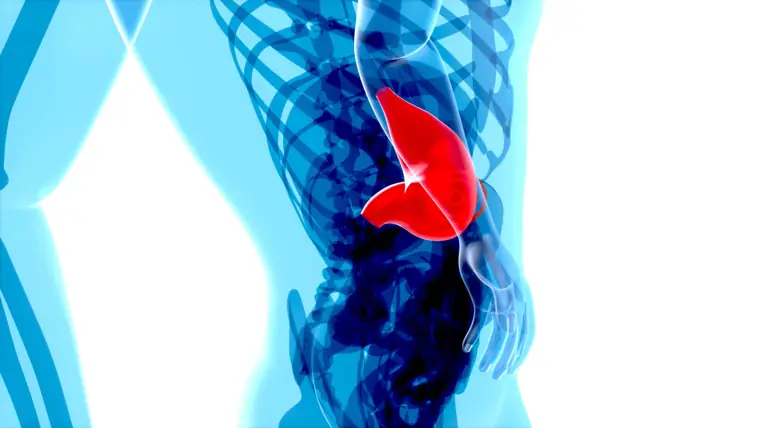
A fistula is an abnormal channel that forms between two organs, or between an organ and the surface of the body. It can develop after an injury, inflammation or surgery. Treatment usually involves closing the fistula tract surgically, supported by antibiotics, drainage and treatment of any underlying condition.
Fistulas can occur in many parts of the body. Those relevant to urology are connections that develop between neighbouring organs, such as the bladder and the vagina.
Symptoms
- Fluid leaking from an organ or the skin (discharge)
- Pain, tenderness or discomfort in the area
- An unpleasant smell caused by the body fluids and bacteria in the discharge
- Redness, swelling or a rash on the surrounding skin
- With internal fistulas, difficulty swallowing or breathing, depending on the system affected
Causes
- Chronic inflammatory conditions such as Crohn's disease
- Injuries, and tissues joining abnormally as they heal
- Operations and problems at the site of stitches
- Long-lasting infections
Treatment
The main treatment is surgical closure of the fistula tract. If there is an infection, antibiotics are given. In some cases a stent or drain is placed to keep the tract open temporarily. If the fistula was caused by an inflammatory condition such as Crohn's disease, treating that condition also helps the repair to succeed.
Using appropriate suturing techniques during operations, treating inflammation and injuries early and keeping infections under control all reduce the risk of a fistula developing.
Frequently asked questions
What happens if a fistula is not treated?
Can a fistula close with medication?
Which doctor should I see for a fistula?
Can a fistula come back after surgery?
What tests are used to diagnose a fistula?
Last updated:
