


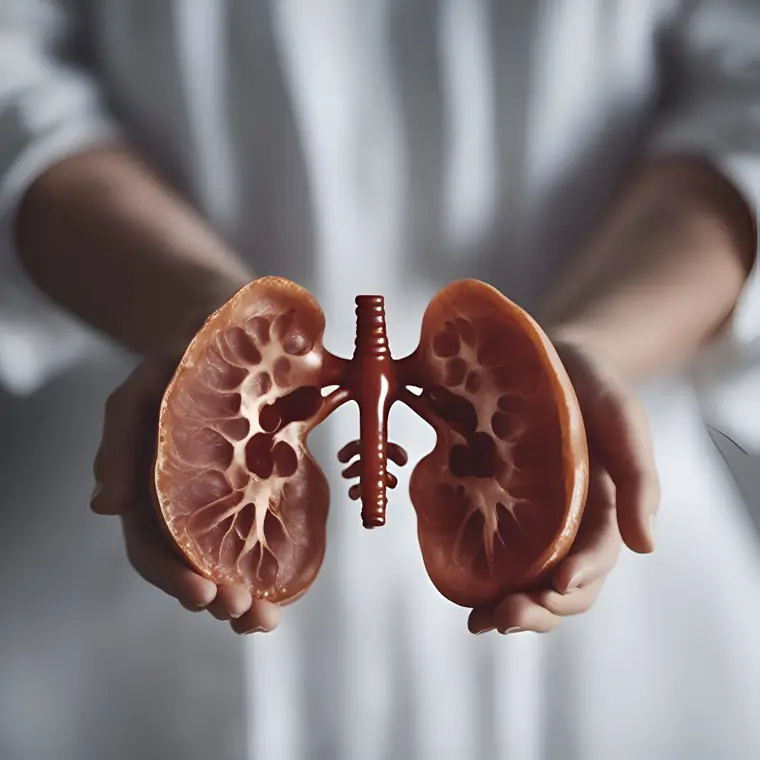
Kidney cancer is a malignant tumour that starts in the kidney tissue, most often in the kidney's small tubular structures. It is diagnosed with blood and urine tests and imaging such as ultrasound, CT and MRI. Depending on the stage, treatment is planned with surgery, radiotherapy, chemotherapy, targeted medicines and immunotherapy.
When it is caught at an early stage and treated appropriately, kidney cancer can usually be managed successfully.
Symptoms
- Blood in the urine
- Pain in the back or side
- Unexplained weight loss and loss of appetite
- Tiredness and weakness
- High blood pressure
- Anaemia
Diagnosis
Blood and urine tests are used together with ultrasound, computed tomography and magnetic resonance imaging. A biopsy is rarely needed.
Treatment
Treatment depends on the stage, the size of the tumour, how far it has spread and the patient's general health. The options are surgery, radiotherapy, chemotherapy, targeted drug therapy and immunotherapy. In suitable patients, surgery can remove only the part containing the tumour and preserve the rest of the kidney; you can read more about this in the article Is the Kidney Removed in Kidney Tumour Surgery?
Frequently asked questions
Is the whole kidney removed in kidney cancer?
Is a biopsy needed to diagnose kidney cancer?
When can I go back to work after kidney cancer surgery?
Can kidney cancer come back after surgery?
Which doctor should I see if a mass is found in my kidney?
Last updated:
