


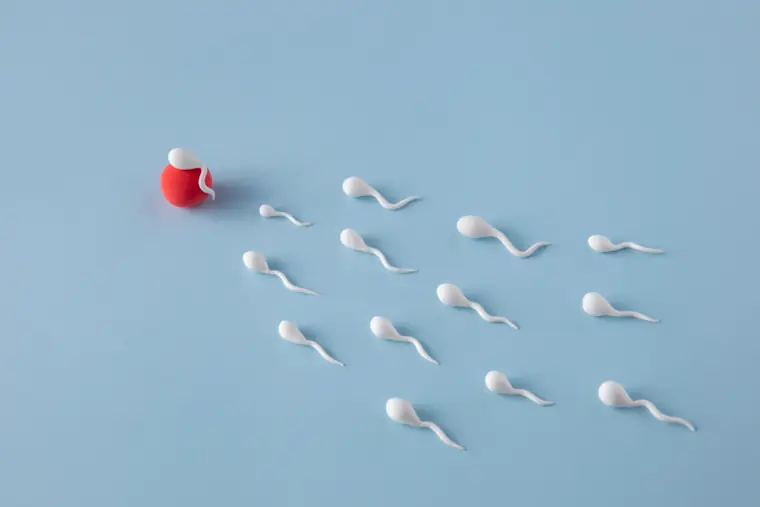
Regular, sufficient sleep, moderate exercise three or four days a week, a balanced diet rich in antioxidants and reducing stress all help to support sperm health. Cutting down on smoking and alcohol can also help to preserve sperm quality. Men who are planning to have children or who have concerns are advised to see a urologist.
Sperm quality is assessed in terms of count, motility and shape (structural integrity). These values are regarded as an indicator not only of fertility but also of general health. Stress, an irregular diet, inactivity and sleep problems can directly affect sperm quality. The good news is that small changes to daily habits often make a difference.
Sleep
Most testosterone is produced during sleep, and this hormone plays a key role in sperm production. Too little or irregular sleep can lower testosterone levels and so have a negative effect on sperm production. Sleeping at regular times at night protects your biological rhythm; sleep between 11 pm and 7 am is particularly valuable for hormone balance.
Exercise
Regular movement improves circulation and contributes to hormone balance and metabolism. Moderate activities such as walking, swimming and cycling can have a positive effect on sperm quality. Aim for regular exercise on at least three or four days a week.
On the other hand, extremely intensive or very long, heavy training sessions can lower testosterone. A balanced programme is more appropriate.
Diet
Oxidative stress, the damage free radicals do to cells, can harm sperm DNA. Vitamin C, vitamin E, zinc and selenium are the key nutrients here. Citrus fruits, berries, green leafy vegetables, walnuts and almonds are good sources of antioxidants.
Processed foods, too much sugar and unhealthy fats can increase inflammation in the body and lower sperm quality. A diet that includes vegetables, fruit, whole grains, healthy fats and good-quality protein helps the hormonal system work properly. Oily fish rich in omega-3, olive oil and nuts are also among the foods that support reproductive health.
Stress
Long-term stress can raise cortisol levels and suppress testosterone production, which affects both sperm production and sex drive. Regular exercise, spending time in nature, meditation and breathing exercises can help to reduce stress. Social relationships and your general mood also have a positive effect on hormone balance.
Smoking, Alcohol and Check-ups
Cutting down on smoking and alcohol, together with sleep, diet and exercise, helps to preserve sperm quality. If you are planning to have children or have any concerns about your reproductive health, do not neglect your check-ups. If you have a worrying symptom, a risk factor or concerns about infertility, seeing a urologist is the right step.
