


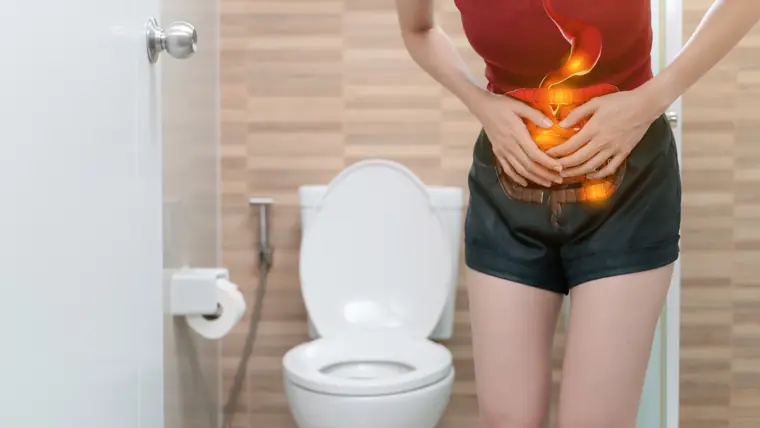
Urinary incontinence is a common problem in women that can affect quality of life. It can be caused by factors such as childbirth, weak pelvic floor muscles, the menopause, excess weight and a chronic cough, and it is classified as stress, urge or mixed incontinence. It can be brought under control with options ranging from pelvic floor exercises to surgery.
Urinary incontinence is the involuntary passing or leaking of urine. Many women assume it is an inevitable result of childbirth or ageing and tell no one for years, yet there are treatment options.
Types
- Stress incontinence: happens in situations that raise pressure inside the abdomen, such as coughing, sneezing or exercise.
- Urge incontinence: comes with a sudden, strong need to pass urine.
- Mixed incontinence: a combination of the two.
Causes
- Childbirth
- Weak pelvic floor muscles
- Hormonal changes, especially the menopause
- Excess weight
- Chronic cough
- Urinary tract infections
- Neurological conditions
- Side effects of some medicines
Diagnosis
After a detailed history and examination, you will usually be asked to keep a bladder diary for a few days, noting how much and how often you pass urine. A urine test is done to rule out causes such as infection. If needed, ultrasound or urodynamic tests are used.
Treatment
For most women, treatment starts without surgery: pelvic floor exercises, behavioural therapy (such as bladder training), weight control, stopping smoking and information on how to manage the problem. Medication and pelvic floor physiotherapy can be added. For patients who do not benefit enough, injectable bulking agents or surgical options are considered.
For the surgical methods used for stress incontinence, see the sling surgery (TOT/TVT) page. Treatment is tailored to the underlying cause, and where needed several specialties work together. For all the options, visit the urinary incontinence treatment page.
