


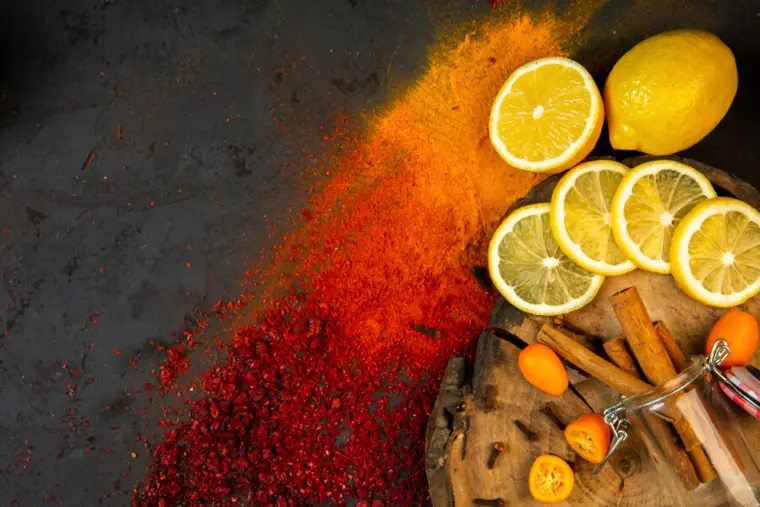
Acidic and spicy foods can stimulate the nerve endings in the bladder wall and, in some people, increase frequency, burning and sudden urgency. This effect is more noticeable in people with a sensitive bladder, such as those with overactive bladder or interstitial cystitis. Identifying and cutting down on trigger foods with a food diary can help; if symptoms continue, you should see a urologist.
A healthy bladder is flexible and causes no discomfort as it fills. However, some foods and drinks can stimulate the bladder wall, making it more sensitive and changing your urinary habits.
Why Do Acidic Foods Stimulate the Bladder?
Acidic foods can stimulate the delicate tissue that lines the inside of the bladder. Citrus fruits, lemons, tomatoes and fizzy drinks irritate the bladder wall in some people. The result may be frequent urination, discomfort when passing urine and sometimes a feeling of fullness or mild pain in the bladder area. This effect is more marked in people with a sensitive bladder.
The Effect of Spices
Compounds such as capsaicin in chilli can stimulate nerve endings. This can make the bladder contract more readily, so that you feel the need to pass urine more often than usual. Chilli, spicy sauces and heavily spiced dishes do not affect everyone, but they can make symptoms worse in people with bladder problems. Cutting down on spices when symptoms flare up can help.
Overactive Bladder and Interstitial Cystitis
In overactive bladder, the bladder muscle contracts more often than normal and you feel a sudden need to pass urine. In chronic bladder conditions such as interstitial cystitis, the bladder wall becomes markedly sensitive. In these situations acidic and spicy foods can worsen symptoms, and adjusting your diet can be a supportive part of treatment.
Tips for People with a Sensitive Bladder
You can cut down on foods that may stimulate the bladder, such as hot and spicy sauces, pickles and fizzy drinks. Drinking enough water dilutes the urine and reduces the risk of irritation. Not having too many caffeinated drinks can also reduce sensitivity.
Every body reacts to food differently. A food diary, in which you note what you eat and drink and what symptoms you have for a week or two, is the easiest way to find out which foods affect you. Cutting down on foods that turn out to be triggers helps to keep symptoms under control.
Changing your diet is not always enough on its own. If frequent urination, burning, bladder pain or sudden urgency continue for a long time, see a urologist to find the underlying cause.
